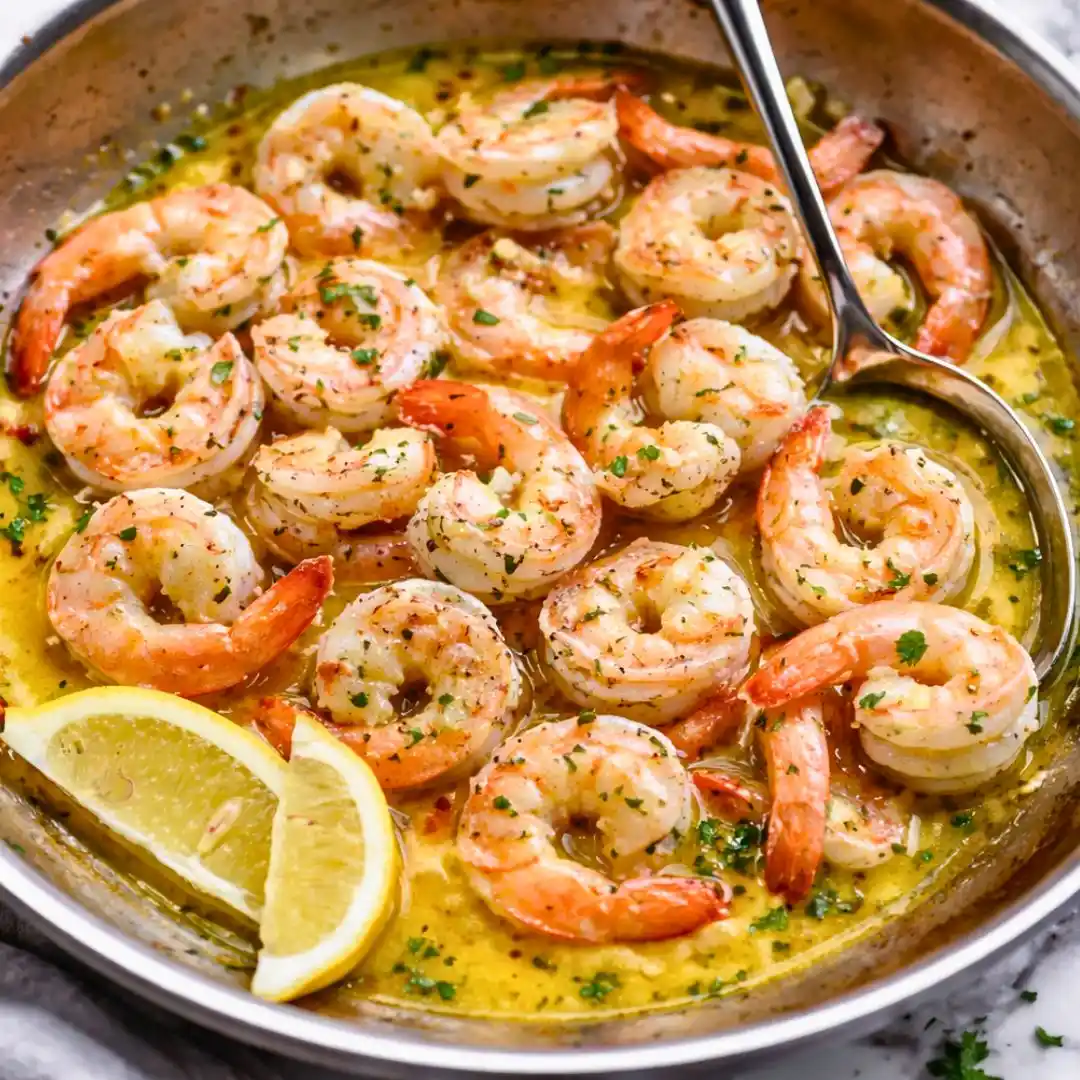
Shrimp scampi is an Italian-American classic featuring tender wild-caught shrimp sautéed in garlic-infused olive oil and butter sauce, finished with fresh lemon juice and parsley. This elegant dish delivers restaurant-quality results in just 25 minutes at home. The combination of succulent shrimp, aromatic garlic, bright citrus, and rich butter creates an irresistible sauce perfect for soaking up with crusty bread or serving over pasta.
| Metric | Time |
|---|---|
| Prep Time | 15 minutes |
| Cook Time | 10 minutes |
| Total Time | 25 minutes |
| Servings | 4 people |
| Difficulty Level | Easy |
| Cuisine Type | Italian-American |
Why This Recipe Works
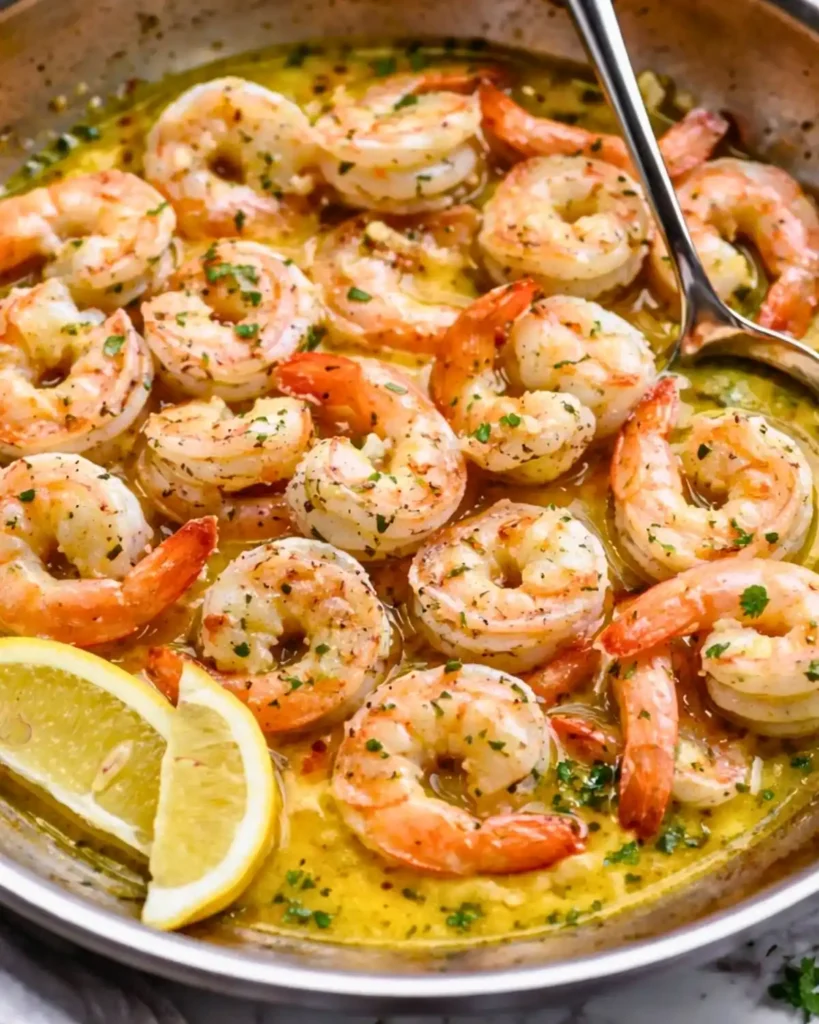
I’ve made shrimp scampi countless times, and this approach consistently delivers tender shrimp without overcooking. The key lies in marinating the shrimp beforehand, which allows the garlic and salt to penetrate the meat while building deeper flavor. This 20-minute rest transforms basic ingredients into something remarkably complex.
The two-stage cooking method prevents garlic from burning while ensuring shrimp reaches perfect doneness. By cooking shrimp first, removing it, then building the sauce separately, I avoid the common mistake of mushy seafood drowning in an underdeveloped sauce. This technique gives you complete control over every element.
Using wild-caught shrimp makes a noticeable difference in texture and flavor compared to farm-raised varieties. Their firmer meat holds up beautifully to the high-heat sauté, while their natural brininess complements the garlic and lemon sauce perfectly. Quality shrimp elevates this simple dish into something truly special.
Ingredients
| Ingredient | Quantity | Notes & Alternatives |
|---|---|---|
| Wild-caught large shrimp with shells | 1 pound | Thaw gently in cold water. Farm-raised works if wild-caught unavailable, though texture differs slightly. |
| Extra virgin olive oil | 4 tablespoons, divided | Use quality oil for better flavor. Avoid light or refined varieties. |
| Garlic, pressed or minced | 4 cloves | Fresh garlic only. Jarred garlic produces inferior results and can taste metallic. |
| Kosher salt | 1 teaspoon, divided | Diamond Crystal brand recommended. Sea salt works but adjust quantity slightly as it’s saltier. |
| Red pepper flakes | ½ teaspoon | Adjust to heat preference. Omit entirely if serving to those sensitive to spice. |
| Butter | 4 tablespoons | Unsalted preferred for better salt control. European-style butter adds richness. |
| Chicken stock (instead of white wine) | ⅓ cup | Stock replaces wine for non-alcoholic preparation. Use low-sodium variety for better seasoning control. |
| Fresh lemon juice | 2 tablespoons (½ lemon) | Freshly squeezed only. Bottled juice lacks brightness and affects sauce balance. |
| Fresh parsley, minced | 1 tablespoon | Flat-leaf Italian parsley preferred. Cilantro creates different flavor profile; basil adds brightness. |
Step-by-Step Instructions
Preparation Phase
- Thaw the wild-caught shrimp gently in cool water for 10 minutes until fully defrosted.
- Remove the shells from each shrimp by peeling back the shell segments working from the head toward the tail.
- Devein the shrimp by running a small knife along the back and removing the dark vein under cool running water.
- Discard all shells and rinse the deveined shrimp thoroughly under cold water until the water runs clear.
- Drain the shrimp completely in a fine-mesh strainer for 2 minutes, then transfer to a small bowl.
Marinating Phase
- Drizzle the cleaned shrimp with 2 tablespoons extra virgin olive oil, coating all pieces evenly.
- Add half of the minced garlic (approximately 2 cloves) to the shrimp bowl.
- Sprinkle ½ teaspoon kosher salt over the mixture, distributing evenly throughout.
- Add ½ teaspoon red pepper flakes and toss the entire mixture with a spoon until all shrimp are well coated.
- Cover the bowl loosely with plastic wrap and let sit at room temperature for 20 minutes to allow flavors to develop and penetrate the shrimp meat.
Cooking the Shrimp
- Warm 2 tablespoons extra virgin olive oil in a large skillet over medium heat for 1 minute until shimmering.
- Add the marinated shrimp and garlic mixture to the skillet, arranging each shrimp in a single layer with space between pieces.
- Cook undisturbed for 1 to 1½ minutes until the shrimp bottom begins to turn opaque and pink.
- Flip each shrimp carefully using tongs or a spatula, ensuring even cooking on the second side.
- Cook for 1 additional minute, watching carefully to ensure shrimp turns golden without browning excessively and garlic doesn’t burn.
- Transfer the cooked shrimp to a small bowl or plate, leaving any pan drippings behind.
- If you notice browned or blackened garlic pieces, remove them immediately with a spoon as they will impart bitter flavor.
Sauce Building Phase
- Melt 3 tablespoons butter in the same skillet over medium heat, allowing it to foam slightly.
- Add the remaining minced garlic (approximately 2 cloves) and cook for exactly 30 seconds until fragrant.
- Carefully pour the ⅓ cup chicken stock into the skillet, stirring to combine with the garlic and butter.
- Add the fresh lemon juice to the skillet, stirring well to incorporate all ingredients.
- Allow the sauce to simmer for 5 minutes, stirring occasionally, until it reduces by approximately half and thickens noticeably.
Final Assembly
- Return the cooked shrimp with any accumulated juices to the skillet, arranging them in a single layer.
- Stir in the final tablespoon of butter, allowing it to melt and incorporate into the sauce.
- Add ½ teaspoon kosher salt to the pan, tasting and adjusting salt level based on your preference.
- Sprinkle the minced fresh parsley evenly over the shrimp and sauce.
- Stir gently for 1 minute, allowing all components to combine and warm through.
- Transfer shrimp scampi immediately to a serving dish or individual bowls while hot.

Chef Tips for Perfect Results
- Buy shrimp with shells intact from the seafood counter rather than frozen bags. Shell-on shrimp stays fresher longer and has superior flavor compared to pre-peeled varieties that lose their natural briny essence.
- Resist the urge to move shrimp around during cooking. Let each piece develop a golden exterior undisturbed for the first minute before flipping once. Constant movement prevents proper browning and results in pale, rubbery shrimp.
- Test shrimp doneness by watching for color change from gray to pink. The moment they turn pink throughout, remove them immediately. Overcooked shrimp becomes tough and chalky, a flaw that cannot be corrected once the dish is served.
- Make the 20-minute marinade non-negotiable for building complex flavor. This isn’t wasted time but essential development period where salt begins curing the shrimp meat while garlic flavors begin infusing. Skip this step and you lose significant depth.
- Use freshly squeezed lemon juice exclusively. Bottled juice contains additives that flatten the sauce’s brightness and create a slightly metallic aftertaste that undermines the entire dish’s delicate balance.
- Reduce the sauce by exactly half before adding shrimp back. This concentrates flavors dramatically and prevents a watery, thin sauce that won’t cling to bread or pasta properly.
Common Mistakes to Avoid
| Mistake | Why It Happens | How to Fix |
|---|---|---|
| Overcooking shrimp until rubbery | Cooking too long on high heat denatures proteins excessively, causing moisture loss and tough texture that persists regardless of sauce quality. | Cook exactly 1-1.5 minutes per side over medium heat. Remove shrimp the instant pink color develops fully. Even 30 seconds extra compromises texture irreversibly. |
| Burning garlic to bitterness | Garlic burns easily because its natural sugars caramelize quickly and turn acrid. Burnt garlic particles contaminate the entire sauce with bitter flavor that dominates all other elements. | Use medium heat consistently and cook garlic separately from shrimp. Remove any blackened pieces immediately. Add remaining garlic to sauce for only 30 seconds to bloom without burning. |
| Thin, watery sauce that doesn’t cling | Insufficient reduction time leaves stock at full volume without concentrating flavors or creating the necessary body to coat shrimp and pasta. | Simmer stock mixture for the full 5 minutes uncovered, watching as liquid reduces visibly by approximately half. Sauce should coat a spoon and drip slowly when tilted. |
| Gray shrimp instead of pink | Shrimp cooked at insufficient temperature changes color too slowly, creating uneven cooking where exteriors are done but interiors remain undercooked or partially translucent. | Ensure oil is shimmering and medium heat is sufficient. Oil should sizzle audibly when shrimp enters the pan. This indicates proper temperature for rapid, even cooking. |
| Dull sauce lacking brightness | Bottled lemon juice or insufficient juice quantity fails to provide the sharp acidity that balances richness of butter and oil and brings all flavors into focus. | Always use freshly squeezed lemon juice and measure exactly 2 tablespoons minimum. Taste sauce and add additional squeeze if brightness seems muted or overpowered by butter. |
Variations and Substitutions
| Ingredient | Substitution Option | Impact on Flavor |
|---|---|---|
| Chicken stock | Seafood stock or clam juice | Deepens marine flavor significantly. Clam juice adds brininess that complements shrimp naturally. Use same quantity or dilute clam juice with water 1:1. |
| Fresh lemon juice | Fresh lime juice | Creates slightly sharper, more tropical brightness. Use same quantity. Lime produces different but equally valid sauce character. |
| Red pepper flakes | Fresh red chili, minced, or white pepper | Fresh chili adds fruity heat and texture. White pepper provides subtle warmth without visible spice flecks. Adjust quantity to taste preference. |
| Fresh parsley | Fresh basil, cilantro, or oregano | Basil adds licorice notes ideal for pasta pairing. Cilantro creates brighter, slightly herbal tone. Oregano deepens Mediterranean character. |
| Large shrimp (21-25 count) | Jumbo shrimp (16-20 count) or medium shrimp (31-40 count) | Jumbo requires additional 30 seconds cooking per side. Medium needs 15-30 seconds less per side. Adjust timing based on size for even doneness. |
Serving Suggestions and Pairings
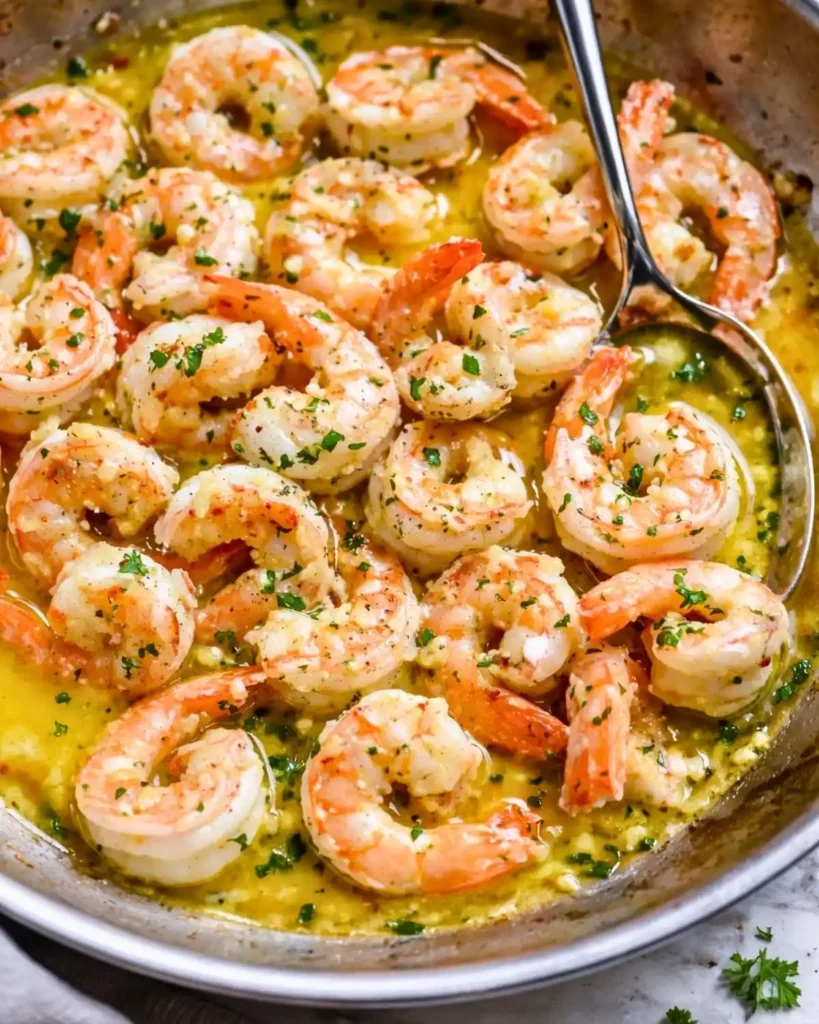
Serve shrimp scampi with warm, crusty sourdough bread for dipping into the silky garlic sauce, which transforms simple bread into something restaurant-worthy. The bread soaks up sauce that would otherwise remain on the plate, maximizing flavor in each bite.
Pour the shrimp scampi over al dente linguine or spaghetti for a complete pasta dish that needs nothing more than a simple green salad. The sauce clings beautifully to thin pasta strands, and the shrimp becomes the protein centerpiece that makes the meal substantial.
Serve over creamy risotto, particularly a parmesan version, which absorbs the garlicky sauce while providing textural contrast to the tender shrimp. The starches balance the richness perfectly without overwhelming delicate seafood flavors.
Serve at dinner parties as an elegant appetizer course that impresses guests with minimal effort and preparation time. The dish’s sophistication belies its simple composition and quick cooking method.
Storage and Reheating
| Method | Duration | Instructions |
|---|---|---|
| Refrigerator Storage | Up to 2 days | Transfer cooled shrimp scampi to an airtight glass container. The sauce will thicken and solidify slightly when cold due to butter content. Store on a middle shelf away from raw proteins. |
| Stovetop Reheating | 5-7 minutes | Place in a skillet over medium-low heat, stirring occasionally. Add a splash of broth or water if sauce seems too thick. Heat through until shrimp reaches 165°F internally. Do not boil as this toughens shrimp further. |
| Microwave Reheating | 2-3 minutes | Transfer to a microwave-safe container and cover loosely. Heat in 30-second intervals, stirring between intervals. This method dries shrimp less than stovetop but requires careful attention to prevent overcooking. |
| Freezer Storage | Up to 3 months | Cool completely and transfer to freezer-safe containers, leaving ½ inch headspace. Sauce texture changes when frozen and thawed. Thaw in refrigerator overnight before reheating gently on stovetop. |
Nutritional Information
| Nutrient | Amount per Serving |
|---|---|
| Calories | 285 calories |
| Protein | 24 grams |
| Fat | 19 grams |
| Saturated Fat | 7 grams |
| Carbohydrates | 4 grams |
| Fiber | 0 grams |
| Sugar | 0 grams |
| Sodium | 520 mg |
Approximate values based on USDA database for wild-caught shrimp with standard butter and oil measurements. Values vary based on specific brands and preparation methods used.
Frequently Asked Questions
Can I Make Shrimp Scampi Without Marinating First?
No, the 20-minute marinade fundamentally changes the shrimp’s texture and flavor development. During this resting period, salt begins curing the shrimp meat while garlic infuses its aromatics directly into the protein. Skipping this step produces shrimp that tastes bland and lacks the tender quality this recipe delivers. Plan ahead to include this essential preparation time.
How Do I Know When Shrimp Scampi Is Fully Cooked?
Shrimp turn uniformly pink throughout when fully cooked, with a slight curl to their body shape. The moment all gray color disappears and pink replaces it completely, remove the shrimp immediately. Overcooked shrimp becomes rubbery and tough, and this damage cannot be corrected. Visual doneness is the most reliable indicator for this dish.
What’s the Best Alternative If I Can’t Find Wild-Caught Shrimp?
Farm-raised shrimp works as a functional substitute though texture and flavor differ noticeably. Farm-raised varieties have softer meat that can become mushy if cooked just slightly too long, so reduce cooking time by 15-20 seconds per side. The sauce compensates for milder shrimp flavor, making the final dish still delicious despite the quality difference in the primary ingredient.
Can I Prepare Shrimp Scampi Several Hours Before Serving?
Complete the entire recipe up to 2 hours before serving, then store covered in the refrigerator. Reheat gently on the stovetop over medium-low heat for 5 minutes, stirring occasionally and adding a splash of broth if the sauce has thickened too much. Cold storage affects sauce texture noticeably, but gentle reheating restores the proper consistency and flavor.
What’s the Ideal Serving Size for Shrimp Scampi as a Main Course?
Plan on approximately ¼ pound shrimp per person for a proper main course serving, which this recipe provides exactly at 1 pound for four servings. This quantity ensures shrimp sufficiently dominates the plate while sauce portions remain balanced. For appetizer portions, reduce serving size to 3-4 shrimp per person with sauce, allowing multiple courses to follow.
Conclusion
Shrimp scampi represents the perfect intersection of elegant simplicity and deeply satisfying flavor that justifies its restaurant reputation. This recipe delivers tender, succulent shrimp enveloped in garlicky, buttery sauce that begs for crusty bread to capture every precious drop. Master this technique once, and you’ll make shrimp scampi confidently whenever you need impressive results fast. The combination of quality ingredients and precise timing creates magic on your stovetop.
PrintShrimp Scampi Recipe: Restaurant-Quality at Home
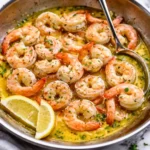
Tender wild-caught shrimp sautéed in a rich, garlic-infused butter sauce with bright lemon and fresh parsley. This quick, elegant dish is perfect for pasta or dipping with crusty bread.
- Prep Time: 15
- Cook Time: 10
- Total Time: 25
- Yield: 4 servings
- Category: Dinner
- Method: Sautéing
- Cuisine: Italian-American
- Diet: None
Ingredients
500g wild-caught shrimp, peeled and deveined
2 tbsp olive oil
4 tbsp unsalted butter
4 tbsp fresh lemon juice
2 tbsp chopped fresh parsley
1/2 tsp red pepper flakes (optional)
Salt to taste
Freshly ground black pepper
Instructions
Preheat oven to 350°F (180°C)
Mix flour and sugar in a bowl
Add softened butter to the flour mixture and cream together
Fold in chocolate chips
Roll dough into small balls and place on baking sheet
Bake for 10-12 minutes until golden
Cool slightly before transferring to a rack
Serve at room temperature
Notes
Use large or jumbo shrimp for best results
Marinate shrimp for 20 minutes to enhance flavor and tenderness
Two-stage cooking ensures garlic stays aromatic without burning
Substitute butter with halal margarine if preferred
Store leftovers refrigerated for up to 3 days