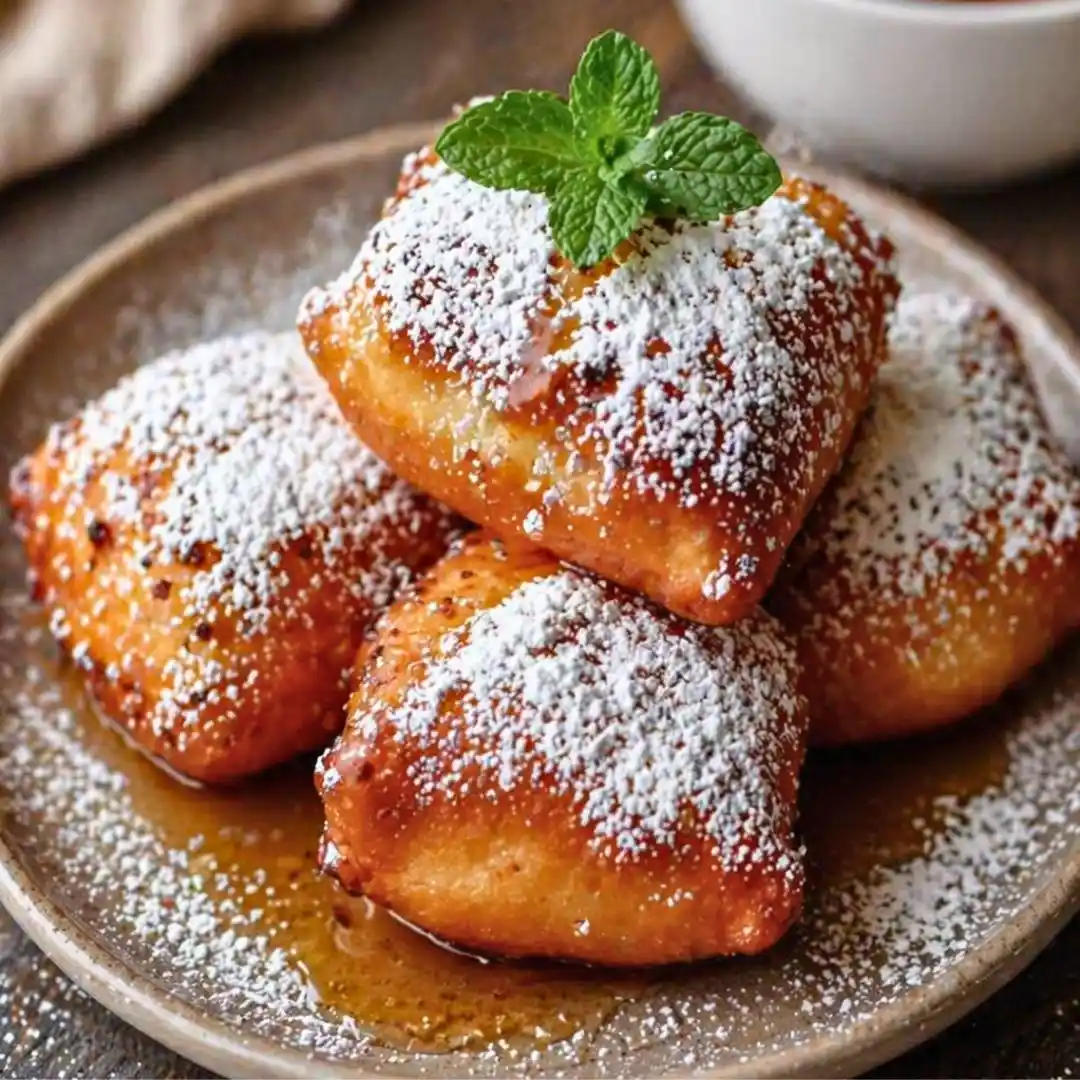
Vanilla French Beignets are light, airy, fried dough pastries, generously dusted with powdered sugar. This classic New Orleans treat offers a delightful sweet experience perfect for any occasion, bringing a touch of elegance to your kitchen.
Recipe Overview
| Prep Time | Cook Time | Total Time | Servings | Difficulty | Cuisine |
|---|---|---|---|---|---|
| 20 minutes + 1.5 hours rising | 15 minutes | 2 hours 5 minutes | 12-16 beignets | Medium | French / American |
Why You’ll Love This Recipe
- Authentic flavor with a hint of vanilla.
- Achieves a perfectly light and fluffy texture.
- Relatively simple to make at home with common ingredients.
- Impressive dessert or brunch treat.
- The warm, powdered sugar-covered dough is irresistible.

Ingredients
Crafting delicious vanilla French beignets at home is simpler than you might think! Gather these essential ingredients to create this delightful treat.
- 1 cup warm milk (105-115°F)
- 1/4 ounce active dry yeast (about 2 1/4 teaspoons)
- 1/4 cup granulated sugar, divided
- 1 large egg
- 1 teaspoon vanilla extract
- 1/2 teaspoon salt
- 1/4 cup unsalted butter, melted
- 3 1/2 to 4 cups all-purpose flour
- Vegetable oil, for frying
- Powdered sugar, for dusting
Ingredient Notes
- Ensure your milk is the correct temperature to activate the yeast properly.
- Using fresh active dry yeast is crucial for the dough to rise.
- Melted butter should be cooled slightly, not hot, to avoid killing the yeast.
- All-purpose flour is standard, but you might need slightly more or less depending on humidity.
- Vegetable oil is ideal for frying due to its high smoke point.
| Ingredient | Quantity | Notes |
|---|---|---|
| Warm Milk | 1 cup | 105-115°F (40-46°C) |
| Active Dry Yeast | 1/4 ounce | Approx. 2 1/4 teaspoons; ensure it’s fresh. |
| Granulated Sugar | 1/4 cup | Divided; a pinch for yeast, the rest for the dough. |
| Large Egg | 1 | Room temperature is best. |
| Vanilla Extract | 1 teaspoon | Pure vanilla extract for best flavor. |
| Salt | 1/2 teaspoon | Enhances flavor and controls yeast activity. |
| Unsalted Butter | 1/4 cup | Melted and slightly cooled. |
| All-Purpose Flour | 3 1/2 to 4 cups | More may be needed for kneading. |
| Vegetable Oil | For frying | Enough for at least 2-3 inches depth in the pot. |
| Powdered Sugar | For dusting | Generous amount for coating. |
Ingredient Substitutions
- Milk: While whole milk is preferred for richness, you can use 2% milk. Non-dairy alternatives like almond or soy milk can work but may slightly alter the texture.
- Yeast: Instant yeast can be used. Skip the blooming step and add it directly with the dry ingredients, using slightly less (about 2 teaspoons).
- Sugar: If you don’t have granulated sugar, you can use caster sugar. For a deeper flavor, a tablespoon of honey could be substituted for some of the granulated sugar, though this may affect rise time.
- Butter: You can substitute unsalted butter with a good quality vegetable shortening, though the flavor will be less rich.
- Vanilla Extract: Vanilla bean paste or a scraped vanilla bean (1/2 bean) can be used for a more intense vanilla flavor.
How to Make Vanilla French Beignets
Step 1: Activate the Yeast
In a large mixing bowl, combine the warm milk (ensure it’s between 105-115°F or 40-46°C), active dry yeast, and a pinch of the granulated sugar. Stir gently and let it stand for 5 to 10 minutes. You should see a foamy layer form on top, indicating the yeast is alive and active.
Step 2: Mix Wet Ingredients
To the activated yeast mixture, whisk in the remaining granulated sugar, the large egg, vanilla extract, salt, and the melted unsalted butter. Mix until everything is well combined and smooth.
Step 3: Form and Knead the Dough
Gradually add about 3 1/2 cups of the all-purpose flour to the wet ingredients, mixing with a spoon or your hands until a soft, shaggy dough begins to form. Turn the dough out onto a lightly floured surface. Knead the dough for 5 to 7 minutes, adding small amounts of the remaining flour as needed, until it becomes smooth, elastic, and no longer overly sticky.
Step 4: First Rise
Lightly grease a clean bowl with a little oil or butter. Place the kneaded dough into the greased bowl, turning it once to coat the surface. Cover the bowl tightly with plastic wrap or a clean kitchen towel. Let the dough rise in a warm, draft-free place for 1 to 1.5 hours, or until it has doubled in size.
Step 5: Shape and Prepare for Frying
Once the dough has doubled, gently punch it down to release the air. Turn the dough out onto a lightly floured surface. Roll it out evenly to about 1/4 inch thickness. Using a knife or a pizza cutter, cut the dough into 2 to 3 inch squares or rectangles. You can also use a round cutter if preferred.
Step 6: Fry the Beignets
Pour vegetable oil into a deep fryer or a heavy-bottomed pot, ensuring it’s at least 2-3 inches deep. Heat the oil to 350°F (175°C). Carefully drop the beignet pieces into the hot oil, a few at a time, being careful not to overcrowd the pot. Fry for about 1 to 2 minutes per side, or until they are beautifully golden brown and puffed up.
Step 7: Drain and Dust
Using a slotted spoon or a spider skimmer, remove the fried beignets from the hot oil. Place them on a plate lined with paper towels to drain any excess oil. While they are still warm, generously dust the beignets with powdered sugar. Serve immediately to enjoy them at their best.

Tips for Success
- Accurate Temperature: Use a thermometer to ensure your milk is within the 105-115°F range for optimal yeast activation.
- Dough Consistency: Don’t add too much flour when kneading. A slightly sticky dough will result in lighter beignets.
- Warm Rising Spot: A slightly warmed oven (turned off) or a sunny spot can create the ideal environment for dough rising.
- Oil Temperature: Maintaining a consistent 350°F oil temperature is key for evenly cooked, not greasy, beignets. Use a thermometer if possible.
- Don’t Overcrowd: Frying in batches prevents the oil temperature from dropping too much, ensuring crispier results.
- Freshness is Key: Beignets are best enjoyed warm, right after dusting with powdered sugar.
Variations
- Lemon Zest Beignets: Add the zest of one lemon to the dough for a bright, citrusy twist.
- Cinnamon Sugar: Mix granulated sugar with a teaspoon of cinnamon and toss the warm beignets in it instead of powdered sugar.
- Chocolate Glaze: Prepare a simple chocolate glaze (melted chocolate with a little cream or butter) and drizzle over the powdered sugar-dusted beignets.
- Savory Twist: Omit the sugar in the dough (use only a pinch for yeast), add a teaspoon of herbs like rosemary or thyme, and serve with a savory dipping sauce.
Serving Suggestions
- Serve warm as a delightful breakfast or brunch item, especially popular on Mardi Gras.
- Enjoy as a light dessert after a meal, perhaps with a scoop of vanilla ice cream.
- Pair with a hot cup of coffee or chicory coffee for an authentic New Orleans experience.
- Offer alongside fresh fruit like berries for a balanced treat.
Storage & Reheating
- Storage: Beignets are best enjoyed fresh. If you have leftovers, store them in an airtight container at room temperature for up to 1 day. They will lose their crispness over time.
- Reheating: To revive them slightly, you can gently reheat them in a 300°F (150°C) oven for 3-5 minutes. Be cautious not to overcook, as they can become tough. For a softer texture, microwave for 10-15 seconds, though this will sacrifice crispness.

FAQs
- Q: What is the best oil for frying beignets?
A: Vegetable oil, canola oil, or peanut oil are excellent choices due to their high smoke points and neutral flavors. - Q: Can I make the dough ahead of time?
A: Yes, you can refrigerate the dough after the first rise for up to 24 hours. Let it come to room temperature for about 30-60 minutes before rolling and frying. - Q: Why are my beignets flat?
A: This could be due to inactive yeast, not letting the dough rise sufficiently, or overworking the dough after the rise. - Q: How do I get beignets to puff up?
A: Proper yeast activation and sufficient rising time are crucial. Ensuring the oil is at the correct temperature (350°F) also helps them puff as they fry. - Q: Can I freeze beignets?
A: It’s not recommended to freeze fried beignets, as they lose their delicate texture and crispness upon thawing.
Final Thoughts
Whipping up these Vanilla French Beignets is a truly rewarding experience. The aroma that fills your kitchen as they fry is simply intoxicating, promising a treat that’s as delightful to make as it is to eat. Share these sweet, pillowy delights with loved ones for a moment of pure joy, proving that homemade treats are always the best kind.
PrintVanilla French Beignets Recipe

Light, fluffy French beignets with a hint of vanilla, dusted in powdered sugar. These indulgent pastries are a New Orleans classic, offering a buttery, crisp exterior and soft interior. Perfect for dessert or brunch, they require simple ingredients and a bit of patience for a rewarding result.
- Prep Time: 20
- Cook Time: 15
- Total Time: 125
- Yield: 12-16 beignets
- Category: Breakfast & Brunch
- Method: Frying
- Cuisine: French/American
- Diet: Vegetarian
Ingredients
1 cup warm milk
1/4 cup granulated sugar
1 large egg
1 teaspoon vanilla extract
1/2 teaspoon salt
1/4 cup unsalted butter, melted
3 1/2 to 4 cups all-purpose flour
Vegetable oil, for frying
Powdered sugar, for dusting
Instructions
In a large bowl, combine warm milk, active dry yeast, and a pinch of granulated sugar. Let sit until frothy.
Mix in egg, vanilla extract, salt, and melted butter. Gradually add flour, 1 cup at a time, until a soft dough forms.
Knead the dough on a floured surface until smooth and elastic.
Return the dough to a clean, oiled bowl, cover, and let rest for 1 hour 30 minutes until doubled in size.
Roll out the dough to 1/2-inch thickness and cut into 3-inch squares.
Heat vegetable oil in a deep fryer to 375°F. Fry each square until golden and puffy, about 30 seconds to 1 minute per side. Drain on paper towels.
Generously dust with powdered sugar while warm and serve immediately.
Notes
Use warm milk (105-115°F) to activate yeast properly.
Egg and butter should be at room temperature for optimal texture.
Adjust flour quantity slightly based on humidity; use 3 1/2 cups for drier climates or 4 cups for humid areas.
Use vegetable oil with a high smoke point for frying to maintain safe temperatures.
Allow dough to rest in a warm, draft-free area to help it rise.