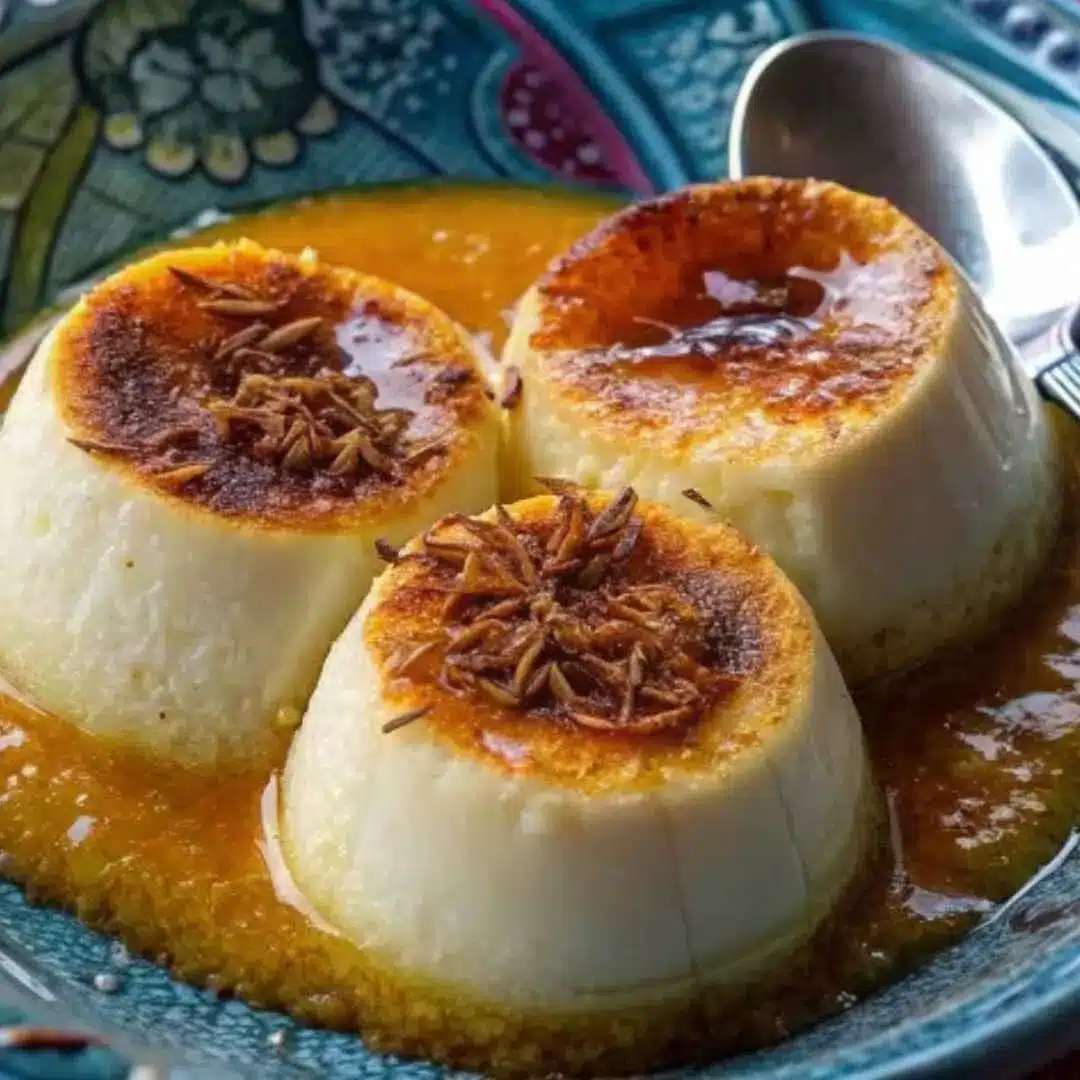
Creamy, lightly sweet, and aromatic, Thai coconut custard is a beloved dessert in Thai cuisine—and now a favorite in our kitchen too. In this article, you’ll learn how to make it from scratch with simple ingredients. We’ll walk through the story, ingredients, step-by-step instructions, and helpful tips for serving and storing.
Why Thai Coconut Custard Is Now a Family Favorite
From Grandma’s Michoacán Kitchen to Thai Flavors at Home
I didn’t grow up eating Thai coconut custard, but the moment I tasted it, something about it reminded me of home—of the way Grandma used to make flan: humble ingredients, warm steam, and soft, sweet comfort in every bite. One afternoon, while trying to find an easy dessert for a dinner party, I came across this silky, two-layer Thai treat and knew I had to try it. It was love at first spoonful.
Grandma, my daughter, and I made it together one Saturday while my mom worked late. And although this dessert comes from across the world, the ritual of making it—the steaming cups, the scent of coconut milk thick in the air—felt just like our Sundays in the kitchen. That day, our home smelled like something new, but the feeling? That was all tradition.
Why This Thai Coconut Custard Belongs in Your Recipe Box
If you’ve never had Thai coconut custard, you’re in for a beautiful surprise. It’s smooth, rich, and naturally dairy-free. This dessert has two distinct layers: a sweet, golden base made with palm sugar and rice flour, and a savory-salty coconut cream topping that balances it all. It’s steamed, not baked—so it’s light and tender, never heavy.
What I love most is how accessible it is. You only need a few ingredients—no special tools or hard-to-find items. Plus, the process is calming and simple. Whether you’re sharing it with family or making a quiet batch for yourself, it brings joy one spoonful at a time.
Thai Coconut Custard Ingredients: Simple and Authentic Layers
Essential Ingredients for Thai Coconut Custard
One of the best things about making Thai coconut custard at home is that the ingredients are wonderfully simple. You won’t need anything fancy—just a few staples you can find at your local Asian market or even regular grocery store. Each component serves a purpose, especially in getting that silky, creamy texture traditional to this dessert.
To keep things classic and flavorful, this recipe uses rice flour instead of all-purpose flour, and palm sugar, which gives the custard a beautiful amber color and subtle caramel-like depth. If you can’t find palm sugar, light brown sugar works well too.
The recipe is naturally gluten-free and dairy-free, making it a great option for guests with dietary restrictions.
Full Ingredient List for Both Layers
For the Custard Base (Bottom Layer):
- ½ cup rice flour
- ½ cup palm sugar (or light brown sugar as a substitute)
- 1 cup water
- ½ cup coconut milk
- Pinch of salt
For the Coconut Cream Layer (Top Layer):
- ½ cup coconut milk
- 1 tablespoon rice flour
- Pinch of salt
These amounts make 8 small custards, ideal for individual servings. If you’re hosting a party or sharing with family, it’s easy to double or triple the recipe. You’ll also need small heatproof bowls or ceramic cups (2–3 inches wide) to steam them in.
How to Make Thai Coconut Custard at Home: Step-by-Step
Traditional Technique for the Perfect Texture
Making Thai coconut custard may sound complex, but it’s truly a peaceful and easy process. You don’t need an oven or fancy equipment—just a steamer and a few bowls. The secret is steaming each layer gently, which helps the textures stay soft and creamy without becoming dense.
This recipe mirrors the kind of slow, gentle cooking Grandma taught me, like when we made flan without condensed milk together on rainy days. The key is patience—and that first taste makes it all worthwhile.
Instructions: How to Make Thai Coconut Custard
Step 1: Prepare the Steamer
Fill the bottom of a steamer pot with water and bring it to a boil.
Place your small heatproof bowls or ceramic cups into the steamer rack.
Steam the empty cups for 2–3 minutes to preheat them—this helps the custard set evenly.
Step 2: Make the Custard Base Layer
In a mixing bowl, combine:
- ½ cup rice flour
- ½ cup palm sugar
- 1 cup water
- ½ cup coconut milk
- A pinch of salt
Whisk the mixture until the sugar fully dissolves and the batter is smooth. If needed, strain through a fine sieve to remove lumps.
Step 3: Steam the Bottom Layer
Carefully pour the base layer mixture into each preheated cup, filling halfway.
Cover the steamer with a clean kitchen towel under the lid (to prevent condensation dripping).
Steam for 10–12 minutes over medium heat, until the bottom layer is firm to the touch.
Step 4: Make the Coconut Cream Layer
In a small bowl, whisk together:
- ½ cup coconut milk
- 1 tablespoon rice flour
- A pinch of salt
Mix until smooth.
Step 5: Add and Steam the Top Layer
Once the bottom layer is set, gently pour 1 tablespoon of the coconut cream mixture on top of each custard.
Steam again for 7–8 minutes until the top layer is fully cooked and firm.
Step 6: Cool and Serve
Turn off the heat and let the custards cool slightly in the steamer.
Carefully remove them and let them cool fully at room temperature.
Serve at room temp or chilled. Use a small spoon to scoop each layer out from the cup.
Serving, Variations, and Storing Thai Coconut Custard
How to Serve Thai Coconut Custard
Thai coconut custard is best served at room temperature or lightly chilled, making it a refreshing treat after any meal. Its delicate two-layer presentation is not only tasty but also visually beautiful, perfect for dinner parties, potlucks, or afternoon tea.
We like to serve ours right in the small cups they’re steamed in, with a small spoon to scoop out both layers together. For a little flair, try garnishing with toasted sesame seeds, shredded coconut, or even a tiny mint leaf on top. You can also pair it with a bold Thai coffee or something soothing like hibiscus tea.
This dessert brings a subtle sweetness and creamy mouthfeel that reminds us of other gentle favorites like arroz con leche—simple, comforting, and full of heart.
Variations and How to Store It
Looking for a twist? Here are a few ways to customize your Thai coconut custard:
- Pandan Thai Coconut Custard: Add a few drops of pandan extract to the bottom layer mixture for a naturally green color and floral aroma.
- Baked Version: If you don’t have a steamer, use a hot water bath in the oven at 325°F. The texture will be slightly firmer but still creamy.
- Mini Muffin Tin Custards: Pour the mixture into silicone muffin trays for perfect party-sized bites.
To store, let the custards cool completely, then cover tightly and refrigerate. They last up to 3 days in the fridge. Just let them come to room temperature before serving, or enjoy them chilled—either way, they’re divine.
Frequently Asked Questions About Thai Coconut Custard
What is Thai custard made of?
Traditional Thai custard (known as khanom thuai) is made from a blend of rice flour, coconut milk, palm sugar, and salt. It often features two layers: a sweet bottom and a salty coconut cream top.
What is the most famous Thai dessert?
Mango sticky rice is the most internationally famous Thai dessert. However, Thai coconut custard is a close second, especially in Thai homes and street food markets.
How is coconut custard made?
Coconut custard is made by combining coconut milk with rice flour and palm sugar to form a base. This base is steamed, then topped with a salty coconut cream mixture and steamed again until firm. The result is a soft, creamy, and balanced dessert.
Conclusion
Thai coconut custard is one of those magical recipes that feels both comforting and exotic at once. With just a handful of pantry-friendly ingredients and a little steam, you can create something truly special. Whether you’re diving into Thai flavors for the first time or just looking for a new family favorite, this recipe delivers on all fronts: texture, taste, and tradition.
Print
Thai Coconut Custard Recipe: Silky, Steamed, and Simple to Make
- Prep Time: 10 minutes
- Cook Time: 20 minutes
- Total Time: 30 minutes
- Yield: 8 small custards
- Category: Thai Desserts
- Method: Steaming
- Cuisine: Thai
Description
A silky, two-layered Thai coconut custard made with palm sugar and coconut cream. A perfect steamed dessert with subtle sweetness and creamy texture.
Ingredients
For the Custard Base (Bottom Layer):
½ cup rice flour
½ cup palm sugar (or light brown sugar)
1 cup water
½ cup coconut milk
Pinch of salt
For the Coconut Cream Layer (Top Layer):
½ cup coconut milk
1 tablespoon rice flour
Pinch of salt
Instructions
1. Fill steamer with water and bring to a boil. Preheat small heatproof cups inside the steamer.
2. In a bowl, whisk together rice flour, palm sugar, water, coconut milk, and salt until smooth.
3. Strain mixture if needed. Pour halfway into each preheated cup.
4. Cover with towel under lid and steam for 10–12 minutes until firm.
5. In a separate bowl, whisk coconut milk, rice flour, and salt for the top layer.
6. Pour a tablespoon of coconut cream layer over each custard.
7. Steam again for 7–8 minutes until top layer is set.
8. Let cool slightly in steamer. Then cool fully at room temperature.
9. Serve warm or chilled with a spoon to scoop both layers.
Notes
You can substitute palm sugar with light brown sugar if needed.
Add pandan extract to the bottom layer for a fragrant twist.
Store in an airtight container in the fridge for up to 3 days.